
How to Shoot Reflections in Puddles, Glass, and Wet Pavement: A Street Photography Checklist
Rain ruins a lot of photographs. It also makes a handful that you cannot get any other way. The street that looked flat and ordinary at noon becomes a second street, upside down, running under everyone's feet. Shop windows stop being transparent and start being paintings. Asphalt turns into something closer to water.
Most photographers wait for the rain to pass and then go out. The better move is to go out while the pavement is still dark and the puddles still hold their shape. What follows is a working checklist: the things worth running through in the first few minutes of a wet street.
Read the ground before you raise the camera
Walk a few steps with your eyes at knee height rather than eye level. You are looking for surfaces that behave like puddles: level, dark, unbroken, still holding water. Smooth paving slabs and poured concrete give a cleaner mirror than cobbles or gravel, which break the reflection into a thousand pieces.
Then look up. A puddle is only as good as what it reflects. A patch of water in front of a plain wall gives you nothing; the same patch under a neon sign or a single lamp post gives you a picture. Find the puddle, then find its sky.
Wind matters more than people expect. A sheltered stretch — under an arcade, beside a high wall, at the mouth of an alley — holds a still surface long after the exposed street has gone choppy. Check which way the street runs, and you will know which side to work.
Puddles: get low, and use the edge
Lower than feels natural
The biggest difference between a snapshot of a puddle and a photograph of one is camera height. From standing height you see a puddle; from twenty or thirty centimetres above the water you see a reflection. Kneel, crouch, sit on a doorstep, or flip out the screen and hold the camera near the ground. If your knees object, look for a low wall or a kerb to shoot over.
The edge is the composition
Amateurs frame the whole puddle. Better frames let it run out of the picture, or use the edge as a line. A cracked rim, a painted kerb, a drain cover breaking the surface, a floating leaf: these stop the image from looking like a mirror with delusions of grandeur. Give the reflection a partner — a real object at the top of the frame, its double below, and a wet strip of pavement between them.
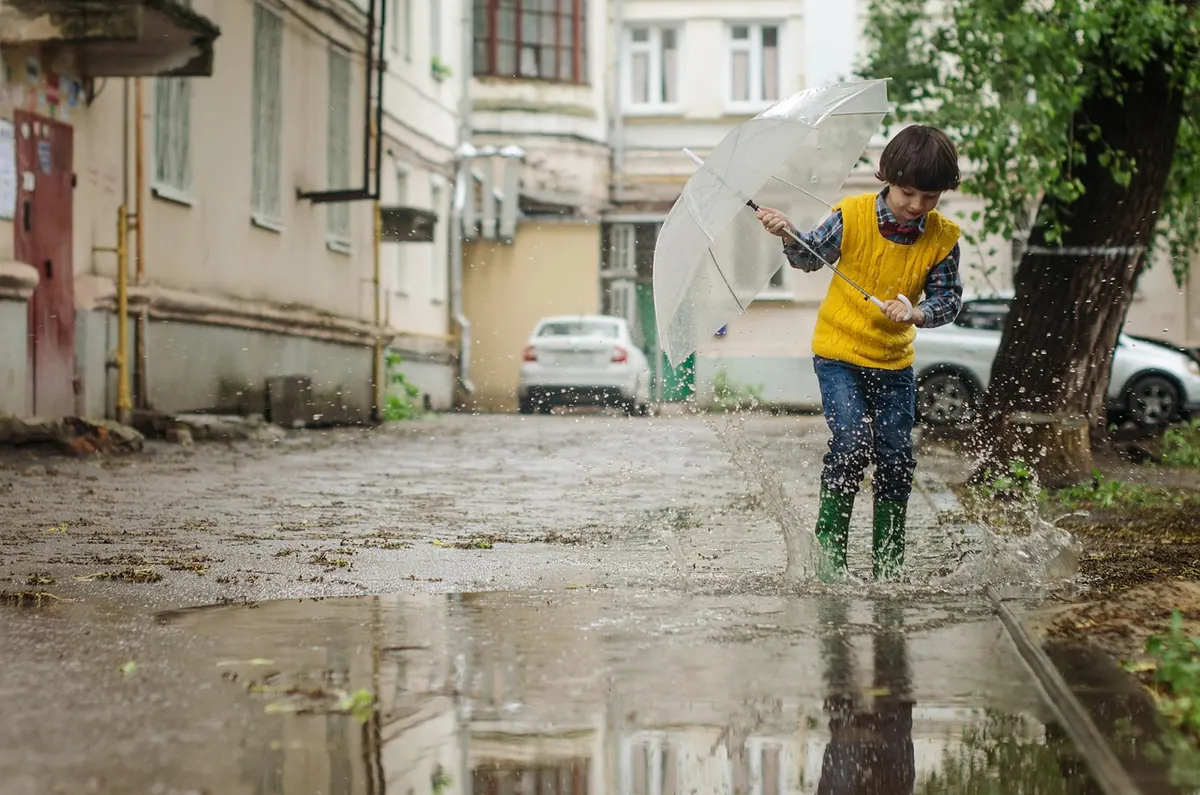
Then wait for something to fall into it. A puddle alone is a texture. A puddle with a pair of legs, an umbrella, or a passing bicycle in it is a photograph.
Glass: shopfronts, bus shelters, car windows
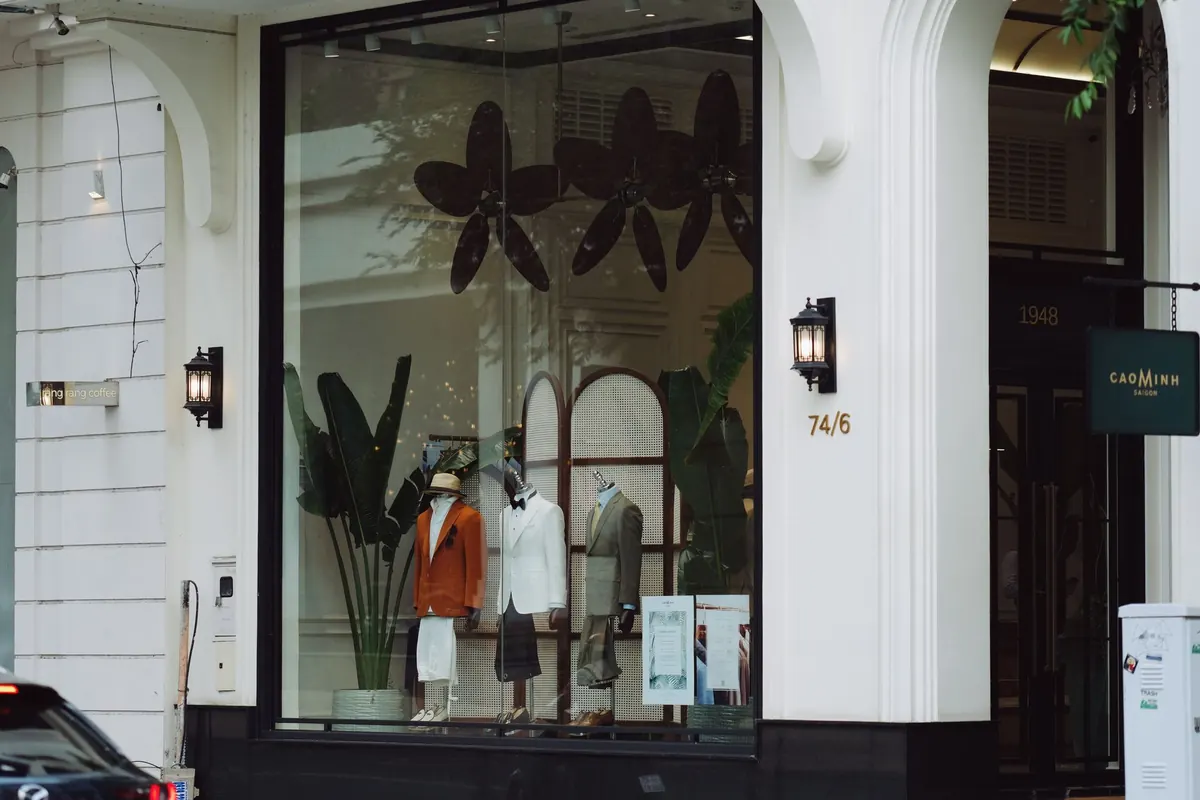
Glass is a different problem, because you have two pictures to balance. A shop window in daylight shows the street in front of it and the goods behind it, and your exposure decides which one wins. A dark interior — a closed shop, a bar before opening, a car with a black cabin — reflects far more strongly than a bright one, which is why your best mirror is often a window you cannot see through.
The angle is everything, and you change it with your feet, not the zoom. Walk left and right along the glass until the reflection you want slides into place behind the mannequin or the lettering. A shift of a metre changes the picture completely, and this is the part most people skip.
- Check the glass for stickers, condensation, and fingerprints; they will be in the frame.
- Focus on the glass surface, not the street beyond it, when the reflection is the subject.
- Step back and shoot at a slight angle if your own reflection keeps entering the frame.
- A polarising filter can strengthen or weaken a reflection depending on the angle — turn it slowly and watch the window change.
- At night, underexpose a little so a bright interior does not swallow the reflected street.
Bus windows and car windows are the moving version of the same idea: a face inside, a city sliding across the glass. Keep the shutter speed up and accept that most frames will be nearly right.
Wet pavement after dark
Asphalt is not a mirror, but at a low angle and a shallow depth of water it behaves like one. These reflections are longer, softer and more coloured than a puddle's, and they smear when anyone walks through. Night is when wet streets pay best, because the light sources are small and bright: shop signs, headlights, traffic lights, the blue-white of a phone screen.
Expose for the highlights. A blown sign turns into a white blob with nothing reflected in it. Keep the camera low to stretch the reflections toward you, and let the smear of a passing car become part of the composition. Frames taken a few seconds apart look entirely different, which is why it pays to stand still in one spot rather than walking the whole street.
If you can, work during a light rain rather than after it. Umbrellas come out, crowds thin, and the pavement stays glossy instead of drying in patches. A heavy downpour is a different story: the surface breaks up and you spend more time drying the lens than shooting.
A quick composition checklist
- Is there a clear line between the reflection and the real world?
- Have I got low enough, or am I still shooting from standing height?
- Is there a subject in the reflection, not just a shape?
- Does the frame have a top half worth looking at, or is it all water?
- Is the reflected horizon straight? Tilted water reads as a mistake.
- Have I tried one step left and one step right?
- Is something breaking the surface — a leaf, a foot, a drain?
- Would this be stronger in black and white? Reflections often are.
Small practicalities
Carry a microfibre cloth and use it. Spray and drizzle land on your front element, and every spot becomes a soft grey blob in the reflection. A lens hood helps; so does a plastic bag over the camera if the rain sets in. Wipe, shoot, wipe again.
Keep the shutter around 1/250s or faster if you want walkers sharp. Silent shutter is worth having on: wet streets make people hurry, and a quiet camera lets you work closer.
And a word about safety. Reflections pull you into the middle of roads. Shoot from the pavement, use crossings properly, and never stand in a live traffic lane for a picture.
A five-minute routine before you move on
Find water. Check what it reflects. Get low. Decide whether the picture is the reflection or the thing being reflected. Wait for one person to walk through. Expose for the brightest thing in the frame. Shoot three frames, one wider than you think you need; wet streets crop well.
Then walk fifty metres and do
Photo: Sunriseforever / Pixabay