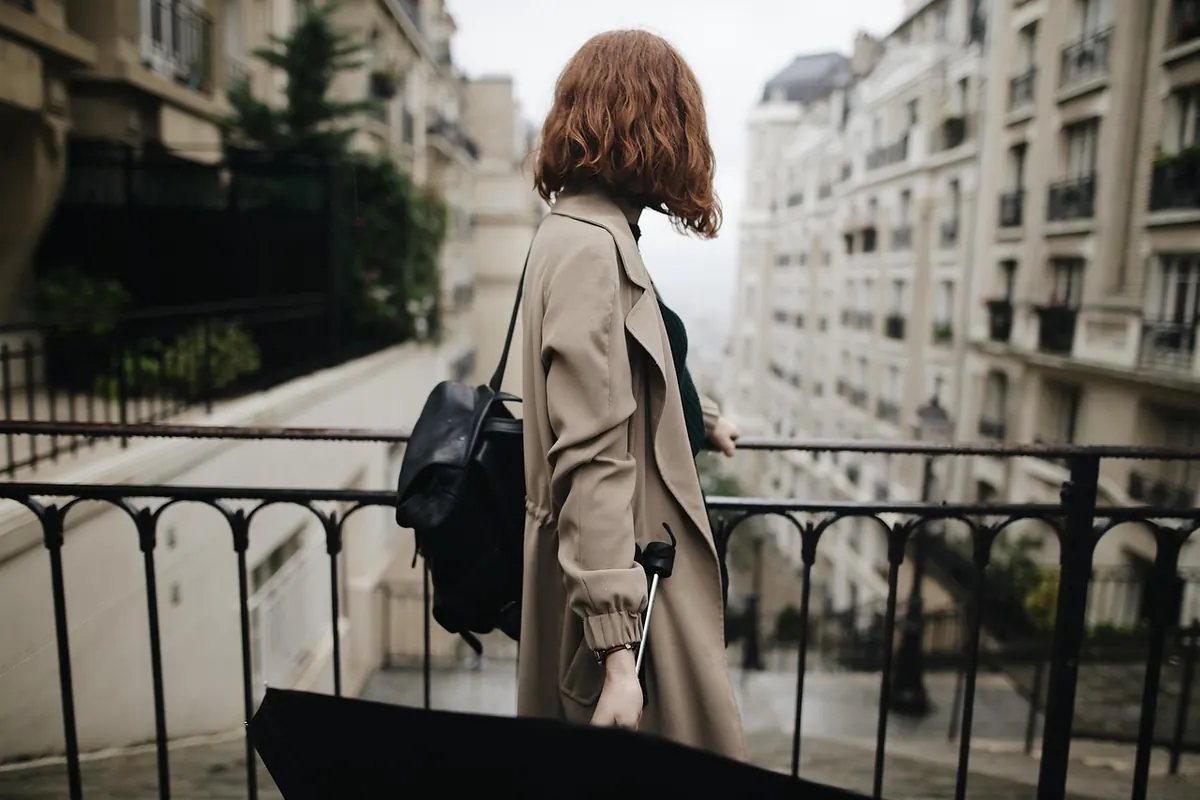
Seasonal Street Photography: What to Shoot in Winter Rain, Summer Heat, and Holiday Lights
The street looks different in January than it does in July, and not only because of the coats. Rain turns pavement into a second sky. Heat pushes people into shade and leaves the middle of the day strangely empty. Holiday lights rewrite a familiar corner into something theatrical. Each season brings its own subjects, its own quality of light, and its own small handling problems—fogged lenses, drained batteries, crowded pavements. The trick is not to wait for perfect weather. It is to learn what each season offers and shoot that.
Winter Rain: Work the Reflections
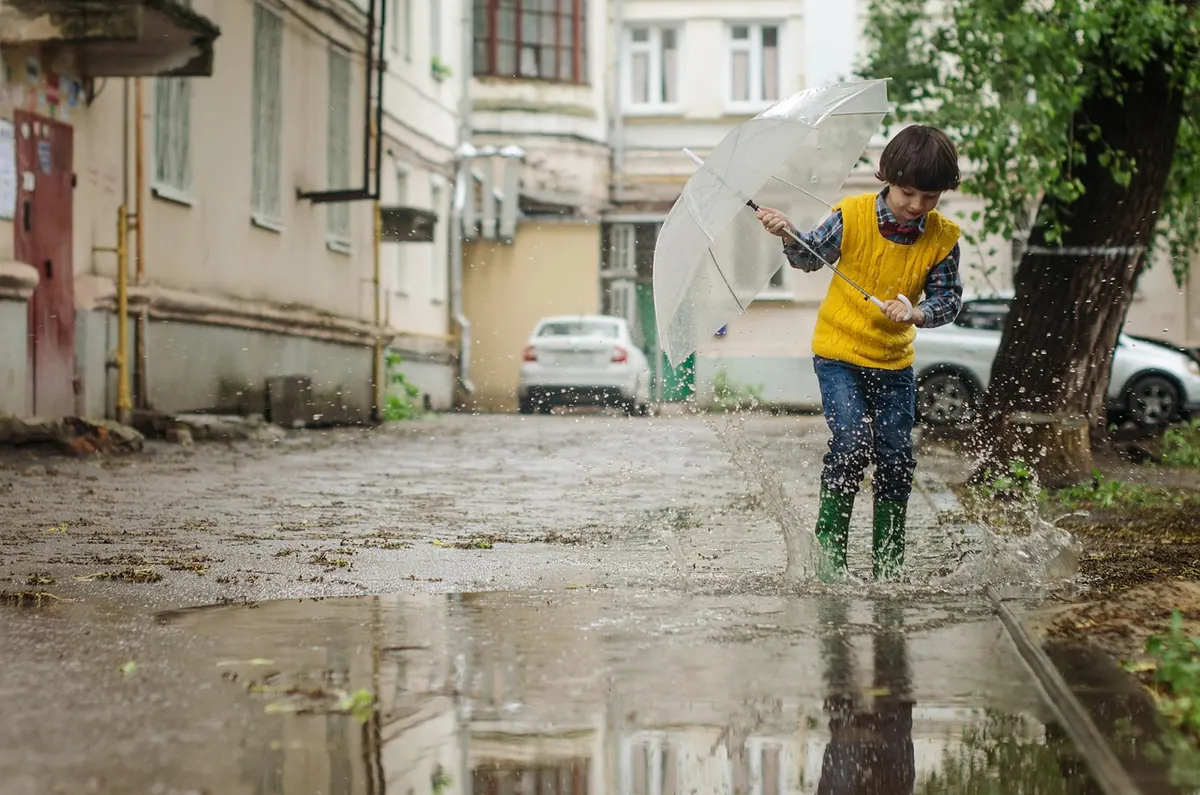
Rain is a gift if you accept its terms. A wet street is a mirror with texture: shop signs, traffic lights, and passing figures repeat in the asphalt. Get low, or at least lower than eye level, and use puddles as framing devices. Look for umbrellas entering a bright rectangle of reflected neon. Watch bus windows and cafe glass, where condensation softens faces and separates layers. Overcast light is soft and even, which helps with skin tones but can flatten a scene; find a single bright source—a doorway, a market stall, a car headlight—and expose for it.
Keep shutter speeds around 1/125 second for walking figures, and try 1/60 if you want rain to read as streaks. A clear filter and a microfiber cloth are more useful than a rain cover in drizzle; in heavy rain, use a plastic bag with a hole for the lens and a rubber band. Wipe the front element once, not constantly. Your own comfort matters too: a hood, dry pockets, and a warm layer let you stay out longer than the person who gave up after ten minutes.
Exposure and contrast in wet weather
Wet pavement is dark, while signs and sky can be bright. Meter for the highlight and let the street fall into shadow; raw files give you room to lift the reflections later. Autofocus can hunt on reflective ground, so pick a subject at a predictable distance—a crossing, a doorway, a bus stop—and wait. The rain will do the rest.
Summer Heat: Hard Light Is Not the Enemy
Summer midday is often called bad light, usually by people who want a portrait. For street work, hard light is a subject in itself. Shadows become shapes: awnings cut black bands across a wall, a lone figure crosses a white-hot square, a dog sleeps in a wedge of shade. Expose for the sunlit area and let the shadows go deep. A shutter speed of 1/500 or faster keeps walkers crisp; smaller apertures give you depth but soften detail through diffraction, so f/8 is usually enough. Look for heat shimmer above asphalt, and use a long lens to compress it behind a cyclist or a delivery cart.
If you shoot into the sun, a lens hood helps, and a slight flare can be part of the picture rather than a mistake. Carry water, wear a hat, and do not leave a camera in a hot car. When you step from air conditioning into humid air, give the lens ten minutes to acclimatize before you shoot; otherwise every frame will be fogged.
Subjects in the heat
Follow the shade. Markets, bus shelters, fountains, and the strip of pavement under a shop awning all gather people. Vendors fanning themselves, kids running through sprinklers, workers eating lunch on a curb—these are summer street pictures. Shoot early or late for warm side light, but do not ignore the middle of the day. It is the only time the street looks this stark.
Holiday Lights: Mixed Color, Careful Exposure
Holiday lights turn ordinary shopping streets into stage sets, but they also create the year’s messiest color. String lights, shop windows, streetlamps, and phone screens all push different whites. Set white balance to daylight or auto and shoot raw; do not chase a perfect neutral, because a little warmth often suits the scene. Expose for the lights themselves—if they blow out, the picture loses its spark. Use spot metering on a bright bulb and dial down exposure until the glow holds its color.
A wide aperture gives you soft circles of light in the background; a smaller one keeps the street readable. For hand-holding, 1/60 to 1/125 at f/2 to f/2.8 and ISO 1600–3200 is a practical starting point. Brace against a wall or use a small tripod for slower shutter speeds, and try panning with a passing bus to turn lights into streaks.
Crowds and etiquette
Holiday markets are crowded, and crowds make photographs. Work the edges, not the middle of the flow. Ask before close portraits, especially of children, and respect people who are praying, shopping, or trying to get home. A smile and a gesture toward your camera go a long way. If someone says no, move on.
A Seasonal Kit and Settings List
You do not need much, but you need the right small things.
- Two microfiber cloths: one for the lens, one for everything else.
- A rain cover or a thick plastic bag and rubber band.
- A lens hood for sun, rain, and stray light.
- Spare batteries: cold drains them faster than you expect.
- A small tripod or clamp for holiday lights and slow rain shots.
- A clear filter to take the scratches instead of your front element.
Settings to start from:
- Winter rain: 1/125 sec for people, 1/60 sec for streaks, f/2.8–f/4, auto ISO.
- Summer heat: 1/500 sec or faster, f/8, low ISO, expose for highlights.
- Holiday lights: 1/60–1/125 sec, f/2–f/2.8, ISO 1600–3200, raw.
Safety and Small Courtesies
Seasonal weather brings seasonal hazards. Wet pavements are slippery, holiday crowds hide trip hazards, and summer heat can turn a two-hour walk into a headache. Tell someone where you are going, keep your bag zipped, and do not stand in traffic for a reflection. In cold rain, keep your hands dry enough to operate dials; in heat, carry water. And remember that the street is someone’s workplace or living room. Photograph with attention, not extraction.
Make a Seasonal Shot List
Pick one condition this week—rain, harsh sun, or lit-up evening—and give yourself a single assignment. Choose a location you can reach in fifteen minutes. Decide on one constraint: only reflections, only shadows, only window light. Shoot for an hour, then go home and choose three frames. Return to the same place in different weather and compare. That practice will teach you more than a new lens. Seasons are not interruptions to street photography; they are the changing set. Dress for the weather, protect the gear, and keep looking.
Photo: vydumka / Pixabay