
A Beginner's Guide to Ethical Candid Photography in Busy Public Spaces
Busy public spaces are full of small, unposed moments: a vendor laughing at something off-camera, two strangers sharing the last dry patch under an awning, a commuter asleep with one hand still gripping a bag. These are the frames that make street photography feel alive. They are also frames made from someone else’s day. The difference between a photograph that feels honest and one that feels intrusive usually comes down to a few quiet decisions made before and after the shutter. None of them require a permit, a special lens, or a lecture in ethics. They require attention.
Read the Body Before You Read the Frame
Candid photography begins before the camera reaches your eye. Learn to read posture the way you read light. Shoulders tell you a great deal: squared and open usually means someone is comfortable in the space; hunched and turned away often means they are guarding themselves. A person waiting for a bus with their bag pulled tight against their chest is not the same subject as a person waiting with one arm draped over the bench. Both can be photographed, but only one is likely to welcome the attention.
Gaze is the next cue. People watching the crowd, laughing with a friend, or staring out a window are usually absorbed enough to stay unposed. People scanning the street with a flat, vigilant expression are often already aware of being watched. If their eyes meet yours more than once, that is information. It is not an invitation, and it is not a challenge. It is a signal to slow down.
Then watch pace and hands. Someone walking briskly with headphones in is in their own corridor. Someone strolling with a coffee and no destination is more available to the scene around them. Hands matter too: a hand raised to a face, a hand shielding a phone screen, a hand on a child’s shoulder. These are small boundary markers. Notice them before you lift the camera, not after.
Distance Is Part of the Sentence
Distance changes what a photograph says. A wide lens at two meters puts the viewer inside the moment; it also puts you inside the person’s personal space. A longer lens from across the street keeps you at a remove, but it can feel like surveillance if you stay there too long. Neither approach is automatically respectful. The point is to choose distance deliberately, not to drift into it.
As a working habit, start farther away than you think you need. Frame with your eyes first. Watch how the scene breathes for thirty seconds. If the moment still holds, take one shot and lower the camera. If you want to get closer, move in slow arcs rather than straight lines. Crossing directly toward someone reads as pursuit. Drifting along the edge of a market stall or pausing at a doorway reads as part of the crowd.
Use the architecture of the street. Reflections in shop windows, gaps between parked cars, the frame of a bus shelter—these let you work at a respectful distance without making the photograph feel distant. They also give you somewhere to look that is not directly at your subject, which matters more than most beginners realize.
When to Lower the Camera
There is no universal rule for every street and every person, but there are reliable signals that a candid moment has closed. Lower the camera when you see any of these:
- The head turns toward you and stays there. A glance is normal. A held look is a question.
- The body angles away. A shoulder turning, a step to the side, a bag moved between you and the lens.
- A hand comes up. It might be a wave, a palm, or a phone lifted to block the view. Treat all three the same way.
- Someone moves a child behind them. That is a clear protective instinct. Stop shooting immediately.
- The expression closes. Laughter stops, a smile flattens, a conversation pauses mid-sentence.
- You feel the urge to hide what you are doing. If you are tilting the screen away or pretending to photograph the building, you already know the answer.
Lowering the camera is not a defeat. It is a skill, and it gets easier with practice. If someone asks you to delete a photo, do it in front of them, without a debate. You can explain that you are a photographer and that you misunderstood the moment, but keep it short. Their comfort matters more than your frame. If they ask why you took it, answer plainly: the light, the gesture, the way the scene came together. Avoid grand speeches about art. A simple answer usually ends the exchange faster than a defensive one.
After the Shutter: Small Gestures That Matter
Most candid encounters end without a word. A nod, a small smile, and a turned shoulder are often enough. If someone notices you after the shot, do not scurry away. That reads as guilt. Meet their eyes briefly, nod, and keep moving at a normal pace. If they look curious rather than annoyed, you can gesture toward your camera and offer a quiet “Thank you.” It sounds small. It changes the tone of the whole exchange.
If someone asks to see the frame, show it. If they ask you to delete it, delete it. If they want a copy, you can offer to send it, but do not push. Some photographers carry a few small cards with an email address for exactly this reason. Others simply say, “I can delete it if you prefer.” Giving the person a real choice is the whole point. You are not running a negotiation. You are sharing a street.
There is also the question of what you do with the photograph afterward. A candid frame of a stranger in a public place is not automatically fair game for every context. Think twice before posting an image that shows someone in a vulnerable moment—crying, injured, arguing, asleep in a way that feels exposing. The fact that you could take the picture does not mean it belongs on the internet. That judgment call is part of the craft.
Busy Crowds, Children, and the Edges of Consent
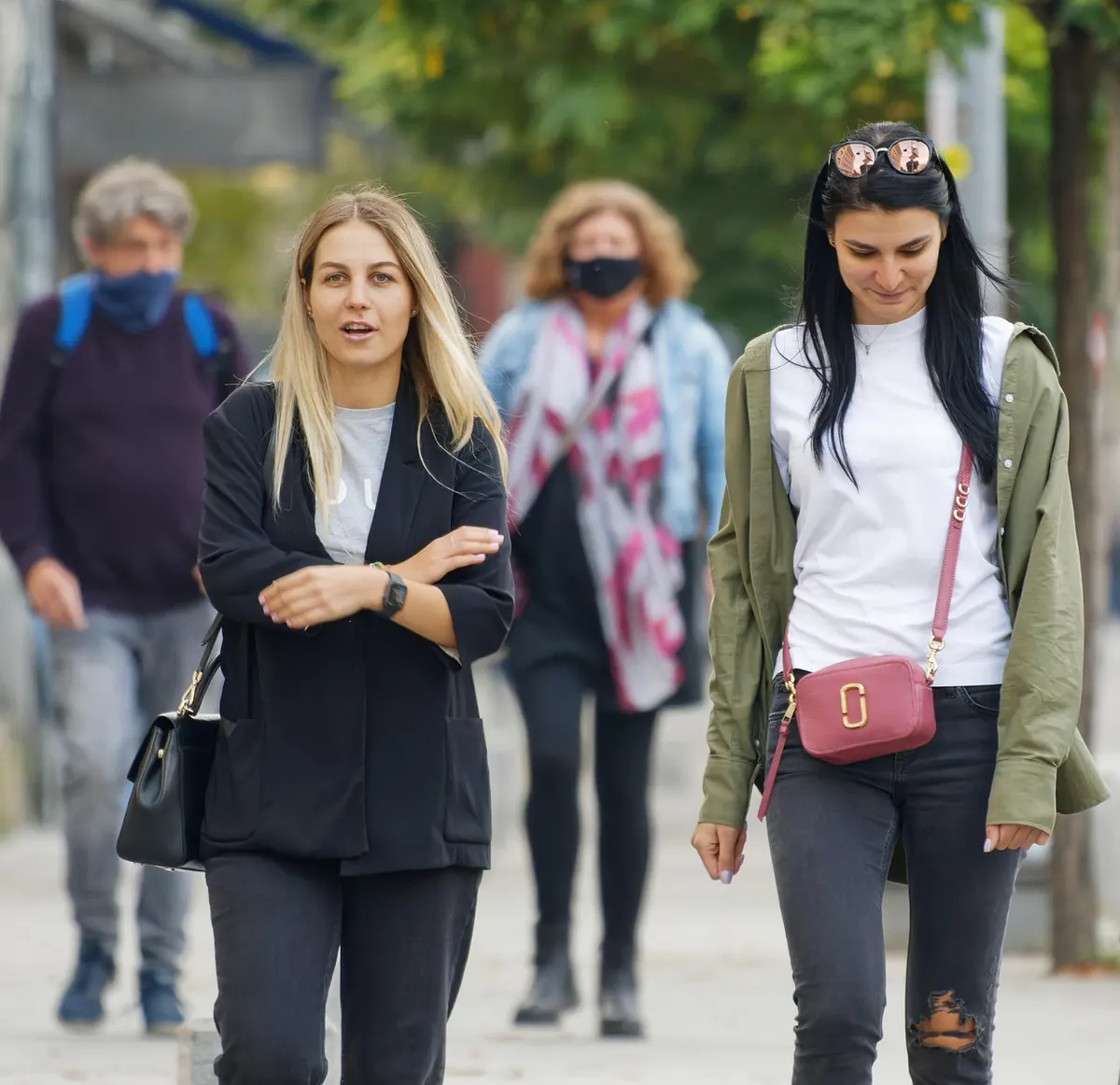
Crowds feel anonymous, but they are made of individuals. A packed market or a rush-hour platform gives you cover, and that cover can make you careless. The same rules apply: read the body, choose distance, lower the camera when the signals say stop. A crowd does not make a person less aware of being photographed. It just makes it easier for you to forget they are aware.
Children and caregivers
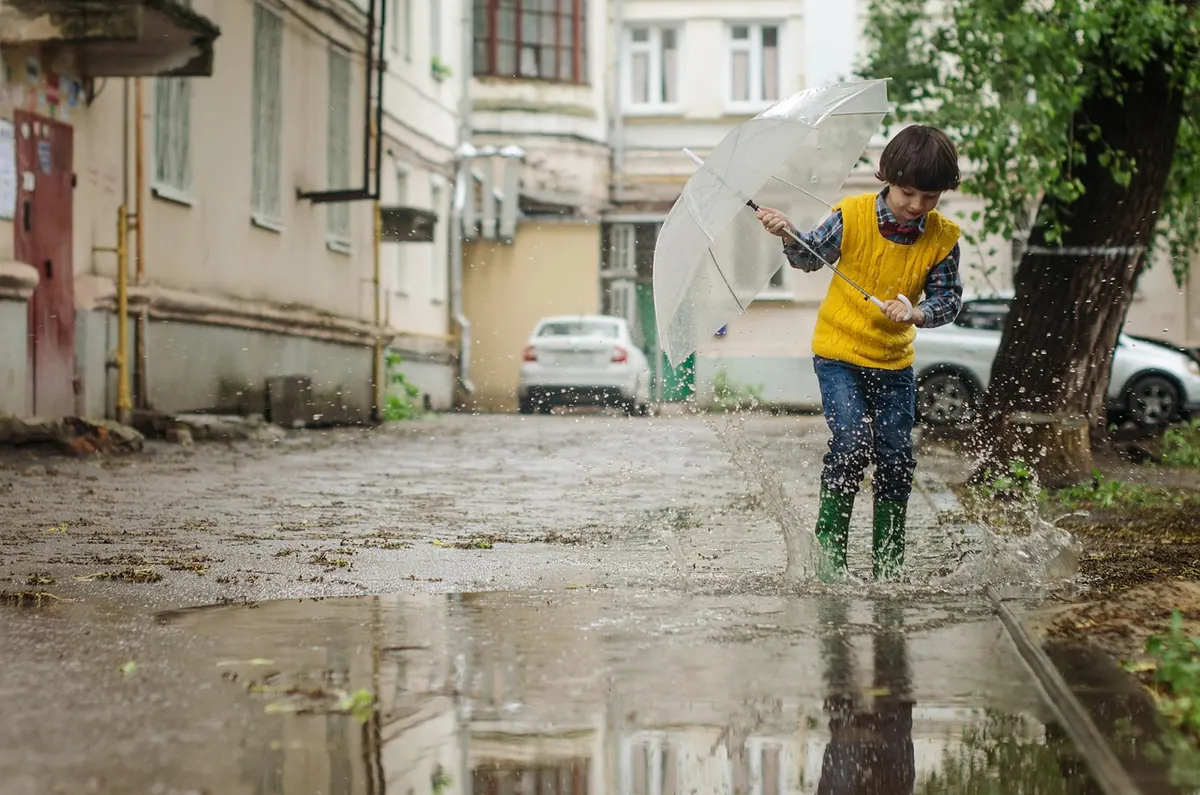
Be especially careful around children. A candid frame of a child playing in a fountain may feel harmless to you, but to a parent in a busy square it can feel like a threat. If a caregiver notices you, lower the camera and move on. Do not try to explain yourself from a distance. Do not photograph children you do not know in ways that focus on their bodies or faces without a clear, respectful reason. When in doubt, leave it.
People in distress
Someone crying on a bench, an argument spilling onto the pavement, a person who has fallen—these are not easy street scenes. They are private moments happening in public. If you would not want a stranger photographing you in that state, do not photograph them. If you are unsure whether someone needs help, put the camera down and ask. That is not a photography rule. It is a human one.
Laws about photography in public spaces vary by country and city, and they can change. This guide is about conduct, not legal advice. If you plan to publish or sell street work, check the rules where you live and consider speaking to a local professional or legal advisor.
A Field Check for the Next Hour
Before you head out with your camera, run through a short checklist. It takes less than a minute and it will save you from most of the awkward encounters beginners worry about.
- Scan the scene before you raise the camera. Look for people who are already tense, rushed, or guarding their space. Give them room.
- Frame with your eyes first. Decide what the photograph is about before you lift the lens. If you cannot say it in one sentence, keep watching.
- Take one shot, then lower the camera. A single frame is usually enough. The second shot is where most intrusions happen.
- Check the reaction. If the person has noticed you, nod and move on. If they have not, keep moving anyway.
- Delete without argument if asked. No debate, no lecture, no sigh. Just do it and thank them.
Ethical candid photography is not about tiptoeing through the city. It is about staying awake to the fact that every frame contains a person who is living a full life outside your viewfinder. The best street photographers are not the ones who get closest. They are the ones who know when to step back, when to wait, and when to put the camera down and simply watch the street do its thing.
Photo: Surprising_Media / Pixabay