The 10-Shot Urban Life Checklist for a 30-Minute Photo Walk
Thirty minutes is not much time on a city street. It is, however, enough for ten photographs that hold together — if you decide beforehand what you are looking for. Most short walks fail the same way: you step out without a plan, walk two blocks, get self-conscious, and come home with forty versions of the same parked car.
What follows is a sequence, not a rulebook. Ten frames, thirty minutes, one street. Each shot has a job: to cover a different piece of urban life so that the set, seen together, says something about the place rather than about your luck. Work through it in order and you will always have something to edit. Ignore half of it and you will still come back with more than you would have.
Ten frames you can edit beats two hundred you have to sort.
Set Up Before You Set Off
Do this at the door, not on the corner. Three minutes of preparation buys you the whole walk.
- One body, one lens. A 35mm or 50mm equivalent keeps you inside the scene instead of watching it from across the road.
- Exposure for the shadows. City light swings between deep shade and blown pavement. Protect the dark side and let the highlights go.
- Shutter priority, auto ISO. Set a floor around 1/250s for people, drop to 1/60s when you want a walker smeared into a streak.
- Silent shutter on, focus point moved off centre. You will be shooting at the edge of frames all morning.
- Clean the front element. A sleeve is fine. A smeared lens is the most common reason a good frame is unusable.
Then choose your street. One street, walked end to end, twice. Two blocks you learn properly will give you more than a mile you only pass through.
Minutes 0–4: Let the Street Introduce Itself
Shot 1 — the establishing frame. Before you photograph a single person, photograph the place. Find something with weight in the foreground — a bollard, a stack of crates, a doorway — and put the street behind it. Shoot it from chest height and again from hip height. This frame is the one that will make sense of the other nine, and it is the easiest to get while you are still warming up.
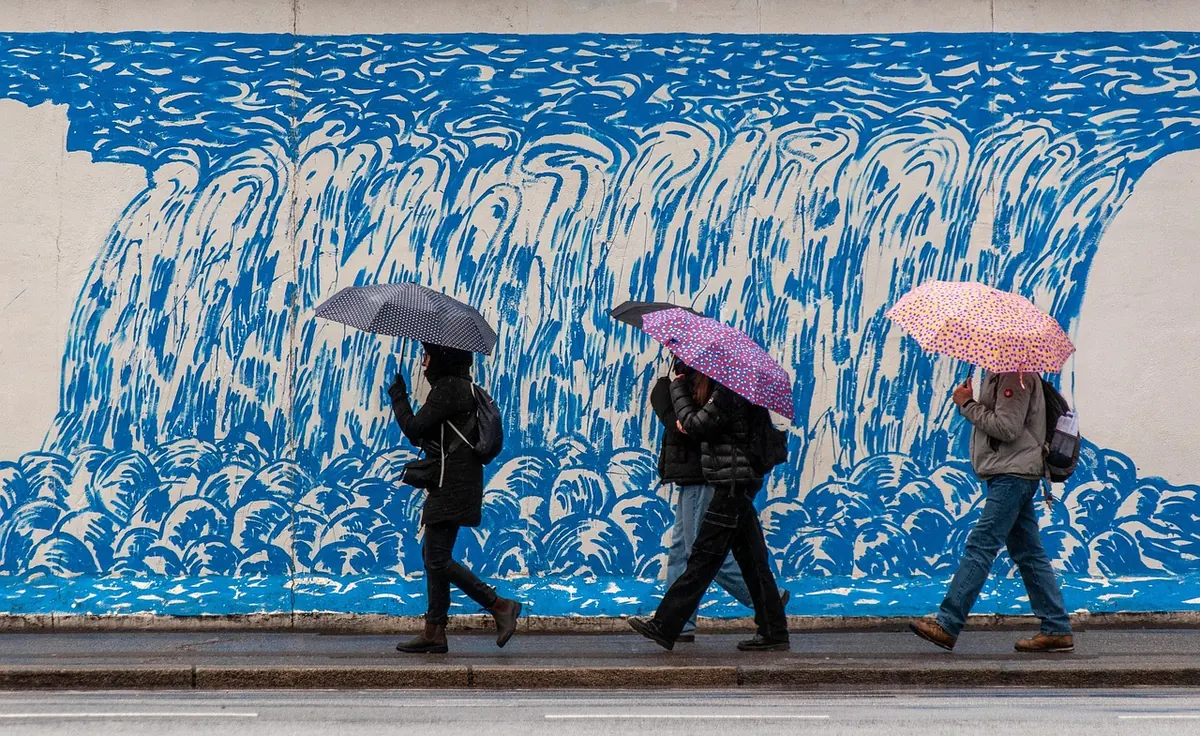
Shot 2 — the walker crossing. Now stand still and let the street move instead of chasing it. Pick a background worth having: a bright wall, a shopfront, a stripe of sun on the pavement. Focus on that spot, then wait for a figure to cross it. Give yourself three attempts and move on. If nobody comes in ninety seconds, your background is in the wrong place, not the street.
Minutes 4–12: Hands, Windows, and People Who Are Not Moving
Shot 3 — hands at work. A barista tamping, a flower seller stripping leaves, a man rolling a cigarette, someone typing at a folding table. Hands are the most honest part of a street photograph and the least confrontational thing to point a lens at. Get within a metre, keep the camera low, and look at the hands rather than at the face. Most people will let you.
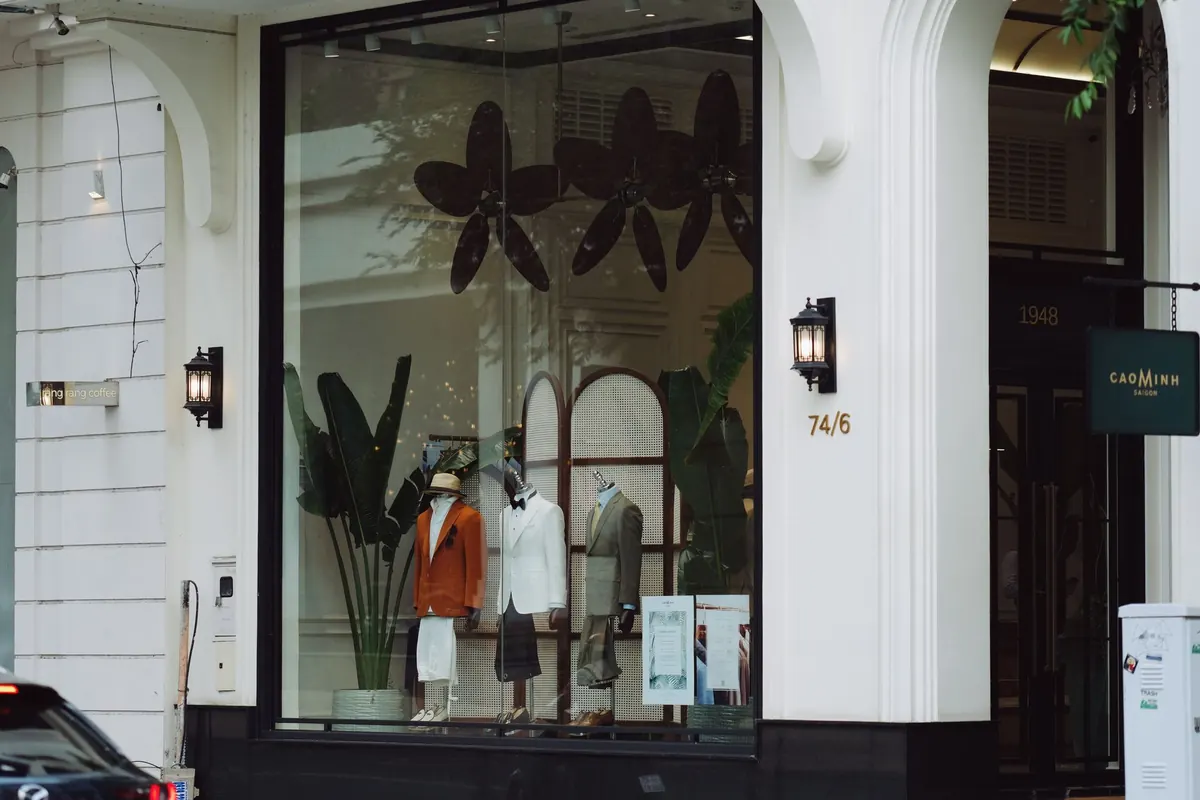
Shot 4 — the window. Glass gives you two cities at once: the interior and the reflection of the street behind you. Press the lens almost against the pane to kill reflections, or step back and stack them deliberately — a mannequin and a bus in the same plane, a woman at a till with scaffolding sliding across her shoulder. Shoot both versions. They behave completely differently in the edit.
Shot 5 — the wait. Half of urban life is standing still: the bus stop, the phone, the cigarette, the dog tied to a railing, the man reading a receipt he has already read. Waiting gives you posture, and posture is character. Take two frames, not twelve. Then leave the person alone.
Minutes 12–20: Layers, Details, and the Small Transaction
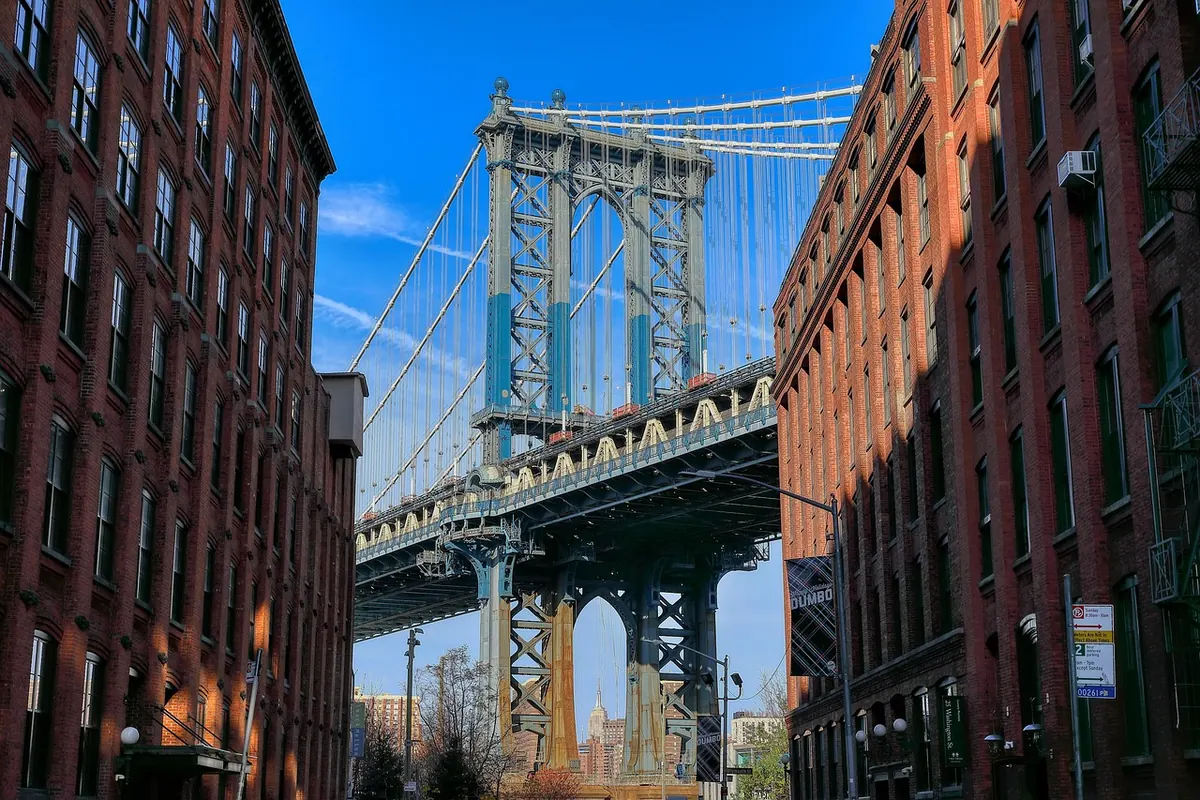
Shot 6 — the layer stack. Find a doorway, a pillar, a parked scooter, a bin. Stand so it fills one corner of the frame, out of focus, and let the street happen beyond it. Three depths — blurred foreground, subject, architecture — will hold a reader’s eye far longer than a flat scene. This is the shot that separates a snapshot from a photograph, and it costs you nothing but a step to the left.
Shot 7 — the detail that carries the story. A hand-written sign taped to a shutter. Shoes on a windowsill. A crate of bread on the pavement. Chalk marks where somebody fell. Shoot it clean first, then shoot it again with a foot or a shadow entering the frame; the second version usually wins. Details are your punctuation marks — you cannot build a set from them, but without them the set has no texture.
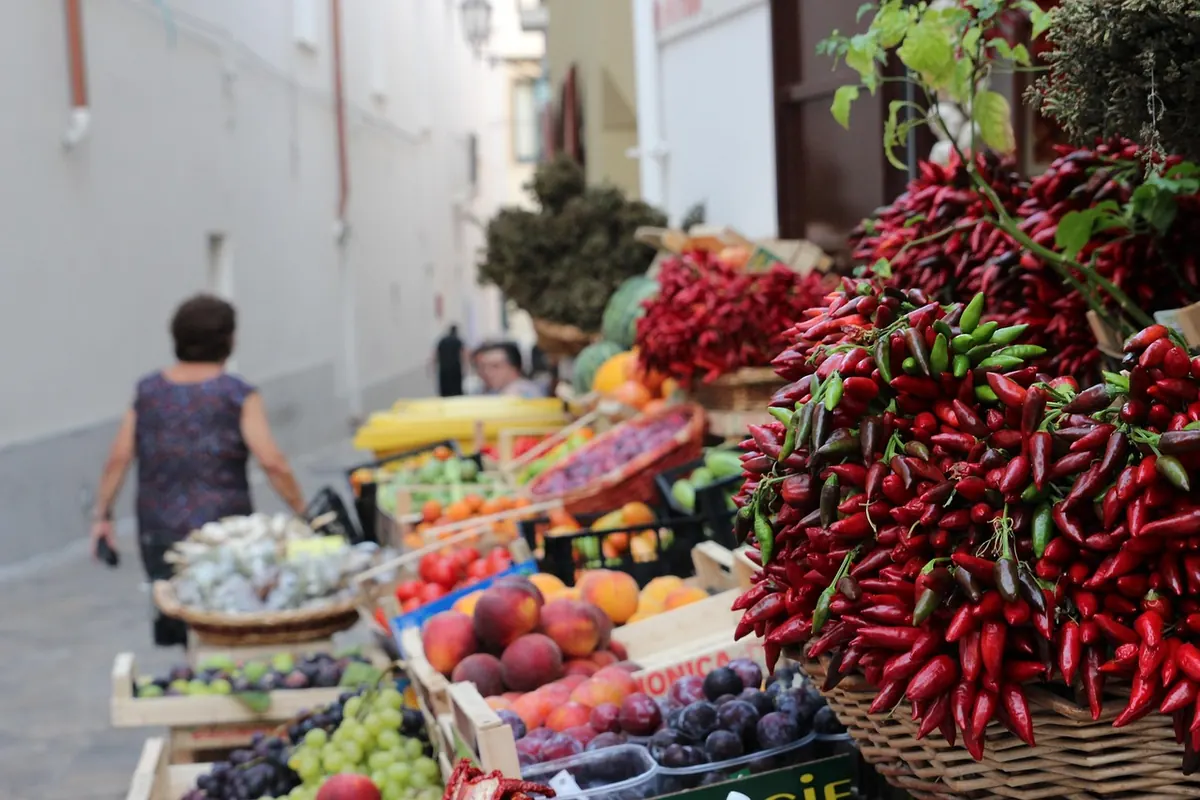
Shot 8 — the small transaction. Money changing hands, a bag passed over a counter, a door held open, a receipt folded into a pocket. Kiosks, bakeries, tailors, market stalls and newsagents all run this scene on a loop. Hover for twenty seconds without lifting the camera and you will see it repeat with the next customer. That repetition is your permission to be ready.
Minutes 20–28: Gesture and the Closing Frame
Shot 9 — the gesture. Laughter, an argument, a greeting, someone hailing a cab with their whole arm. This is the hardest frame of the ten and the one worth risking. Zone focus at two or three metres, expose for the pavement, and shoot when the shape opens rather than when it is perfect. You will be a fraction late on the first attempt. The second one usually lands.
Shot 10 — the closing frame. Walk to the end of the street and photograph the way out: the light going flat, a figure walking away from you, the junction where the buildings stop. Number ten is the frame that finishes the set, and it is almost always better when a person is in it, small and unhurried, on their way somewhere you will not follow.
When the Clock Runs Out: A Three-Minute Triage
Stop shooting. Sit down somewhere with a table. Scroll back through the walk and mark one frame per slot — not your favourite ten pictures, ten different ones. If a slot is empty, keep the closest thing you got and move on. Delete nothing yet; a frame that looks flat on a small screen often opens up later.
- The street, establishing wide
- A walker crossing a chosen background
- Hands at work
- A window, reflected or through glass
- Someone waiting
- A layered foreground
- The telling detail
- A small transaction
- A gesture
- The end of the street
One last thing, and it matters more than any of the above. If someone catches your eye and objects to being photographed, show them the frame and delete it if they ask. It costs you one picture. It protects the rest of your walk, your reputation on that street, and the simple fact that you are a guest there. Then go home, put the kettle on, and look at what thirty minutes actually got you.
Photo: wal_172619 / Pixabay